
Brand Community Examples: The Mechanics Behind Belonging

Start here: Reddit Marketing Strategy: Finding Gaps in Communities
TL;DR
- A brand community turns one-time buyers into repeat participants by giving them a reason to interact with each other, not just with the brand.
- The strongest examples, from Harley-Davidson's H.O.G. chapters to Lego Ideas, anchor the community in a shared passion that existed before the brand got involved.
- Owned channels, such as a branded app or forum, keep member data and relationships with the business instead of handing them to a social platform's algorithm.
- A sense of belonging drives retention: members who feel part of a group return more often and spend more than those who interact with a brand only through ads.
- The method that works across categories is consistent: find the passion, give it a dedicated home, then let members create value for each other.
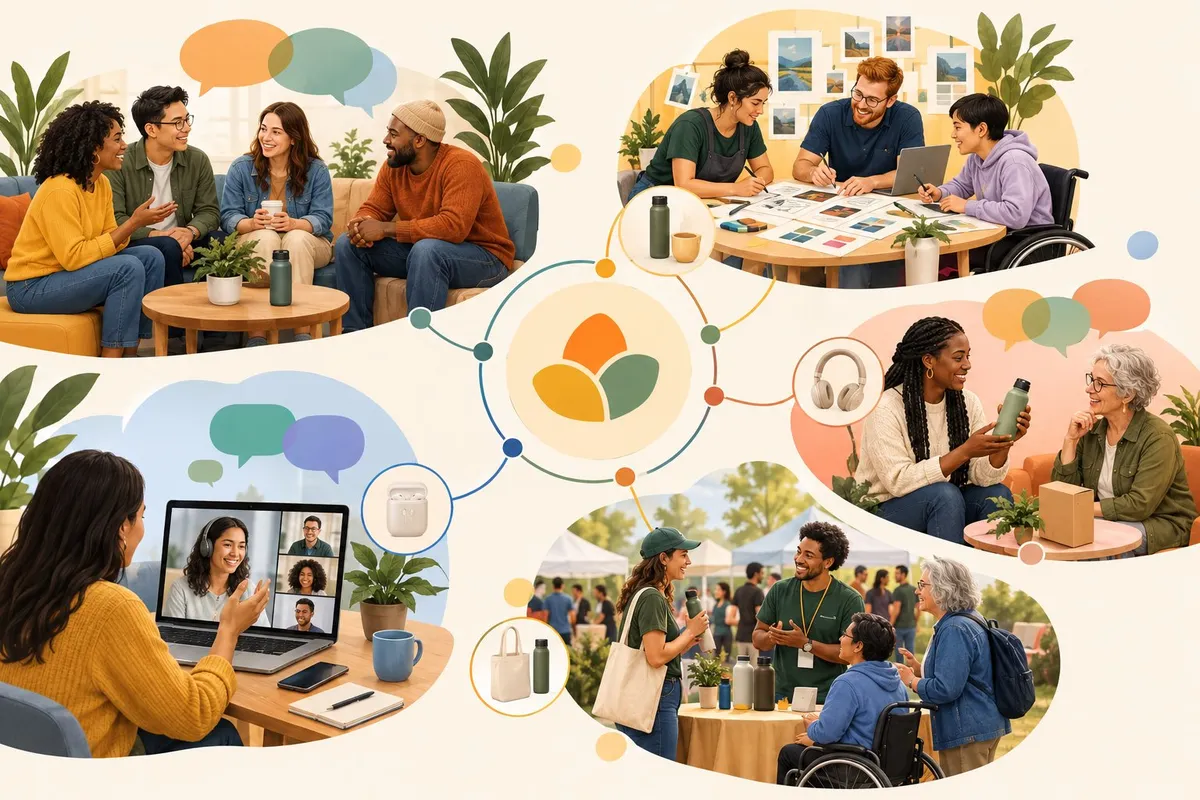
Every brand community on this list solves the same underlying problem: how to keep customers engaged after the first purchase. An online brand community does this by shifting the relationship from one-way marketing to member-to-member connection, where people in the group answer each other's questions and share their own experiences.
The examples below range from motorcycle clubs to loyalty apps, but they share a method. Each one identifies a passion their customers already have, builds a space for it, and gives members recurring reasons to show up. That pattern explains why brand communities consistently outperform plain social media followings on loyalty and word-of-mouth metrics tied to Nielsen's trust in advertising research.
This list breaks down eight brand communities, what each one does differently, and the metrics that show their scale. It also covers the practical benefits a community delivers and why brands that own their community's platform tend to keep that advantage longer than brands that rent space on someone else's network.
How Different Communities Give Members a Reason to Participate
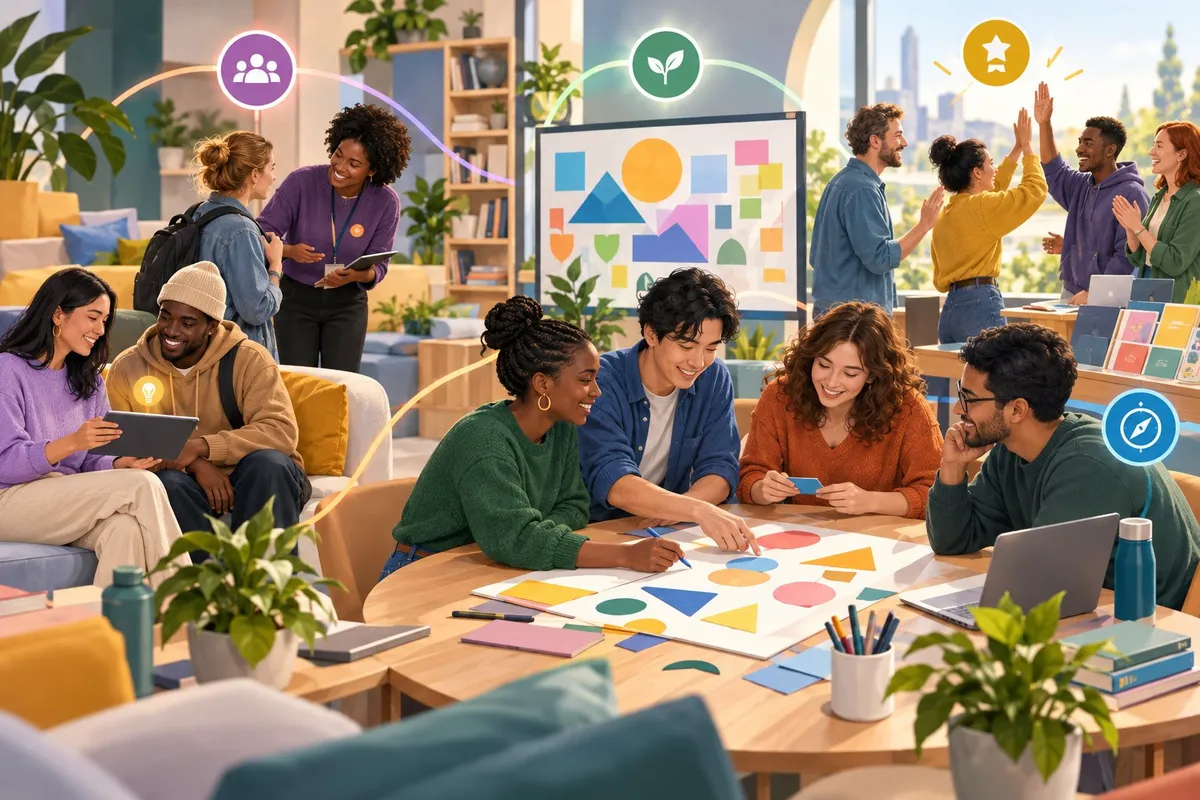
Some communities give members a reason to show up by letting them shape the product. Others rely on peer support, shared activity, or a sense of belonging tied to values the brand and member both hold.
LEGO Ideas: Turning Fan Creations Into Product Ideas
Lego Ideas works because members know their input can become a real product. Any fan can submit a design, and if it gathers 10,000 votes from other members, Lego reviews it for production. The creator gets credit and a share of the rewards.
That structure turns passive fans into active contributors. According to Stone Wars (2026), the Lego Ideas platform has grown to roughly 3.4 million members. Co-creation works here because the stakes are real: a winning idea does not just get praised, it gets made. This gives Lego a steady stream of product feedback from people who care most about the brand.
Apple, Shopify, and Airbnb: Making Peer Support Useful
Apple Support Communities, the Shopify Community, and the Airbnb Community Center all run on the same idea: people with a problem get faster, better answers from someone who already solved it.
| Community | Who uses it | What makes it work |
|---|---|---|
| Apple Support Communities | Device owners with technical issues | Long-time users answer common questions repeatedly, building a public archive |
| Shopify Community | Store owners and developers | Members troubleshoot app conflicts and share workarounds staff may not test |
| Airbnb Community Center | Hosts managing listings | Hosts compare pricing, guest issues, and local rules across regions |
Peer-to-peer support reduces the wait for an official answer. It also means the same question doesn't need to be solved twice, since the thread stays searchable for the next person with the same problem.
Nike Run Club and Harley Owners Group: Connecting People Through Shared Activities
Nike Run Club and the Harley Owners Group give members a reason to return by organizing a shared activity, not just a shared interest.
Nike Run Club sits inside Nike Membership, offering guided runs, training plans, and challenges members complete together. According to Nike (2021), Nike Membership had passed 300 million members globally. The Harley Owners Group takes a physical form: local chapters organize their own rides and rallies, and Harley-Davidson supplies the structure around them.
Both examples show the same pattern. The brand does not manufacture the passion; it builds a home for an activity members already want to do.
Sephora Beauty Insider Community and Glossier: Making Room for Peer Advice
Beauty is a category built on recommendations from other people, not just from a brand.
Sephora built its own forum for this behavior instead of leaving it to outside platforms. Members of the Sephora Beauty Insider Community post looks, ask questions, and swap product advice directly with each other. Glossier took a similar approach early on, building much of its product line around feedback and requests from its own customer base rather than traditional market research.
This matters because peer advice carries more weight than brand messaging. A recommendation from another customer, posted inside a space the brand controls, does double duty: it helps the person asking, and it becomes a searchable resource for the next member with the same question.
GoPro and Gymshark: Putting Member Stories at the Center
GoPro and Gymshark build their communities around content members create, not content the brand produces alone.
GoPro's entire marketing model leans on user-generated content: customers submit footage from their own adventures, and GoPro features the best clips across its channels. Gymshark took a similar path, building its fitness community around member transformation stories and training content shared by its own ambassadors and customers.
- GoPro: Everyday footage from customers becomes the brand's core content supply.
- Gymshark: Member fitness journeys and ambassador content replace traditional brand advertising.
- Shared result: Members feel like contributors to the brand's story, not just an audience watching it.
This works because the content feels more credible coming from a peer. It also gives both brands a constant, low-cost supply of material their own marketing team didn't have to produce.
Starbucks Rewards: Distinguishing Loyalty Perks From Community
A loyalty program and a community are not the same thing, even when people use the terms together.
Starbucks Rewards is, at its core, a loyalty programs structure: members earn points, unlock perks, and move up status tiers. According to Starbucks (2024), the program reached 34.6 million active US members over a 90-day period. But the app also adds elements closer to real community, like seasonal challenges and personalized offers that members experience together.
The distinction matters for any brand studying brand community examples. A loyalty program rewards individual behavior. A community adds member-to-member connection on top of it. Starbucks blends both, but the rewards structure alone is not what makes people feel like they belong to something.
Patagonia, lululemon, and The Walt Disney Company: Building Around Values and Experiences
Some communities don't need a points system or a forum. They form around something members already believe in or already want to experience together.
Patagonia's community centers on environmental activism. Since 1985, the company has pledged 1 percent of sales to environmental causes, and it has granted more than $140 million to grassroots groups over that period. Programs like Worn Wear and Patagonia Action Works give customers direct ways to act on those values instead of just purchasing a product.
lululemon takes a similar values-and-experience approach through in-store classes and ambassador athletes who build local fitness communities around its brand. The Walt Disney Company relies on shared experience instead: fans bond over parks, films, and characters they've loved since childhood, often passing that attachment to their own kids.
These examples show that participation doesn't always need a reward. Sometimes a shared belief or a shared memory is reason enough.
What Businesses Can Learn From These Examples
Successful brand communities share a few common traits. They fill a real gap, give members a clear purpose, spark honest conversation, and hand over some control to the people who show up most often.
Find the Gaps Existing Communities Leave Open
Before building a brand community, a business should check what already exists and where it falls short.
| What to look for | What it means | What to do |
|---|---|---|
| Questions asked repeatedly in forums | No one has answered them well | Build content or a space that answers them directly |
| Outdated group resources | Members want current information | Offer updated guides or tools |
| Threads with many replies but no clear answer | Demand exists but isn't met | Start a dedicated space for that topic |
| Members who already help each other | Early signs of loyal brand advocates | Invite them to help shape the official community |
A business that spots these gaps early can design a community platform that solves a real problem, not just repeat what already exists.
Name a Shared Purpose That Attracts Passionate Customers
A strong brand community needs a clear reason to exist. Glossier grew from a beauty blog into a brand because it gave readers a shared purpose: trading honest beauty advice, as detailed in this guide to building a brand community.
The name and mission should tell people exactly who the community is for.
- Weak version: "Customer Chat", vague, says nothing about shared interest.
- Strong version: "Trail Runners Network", tells outdoor brand customers exactly what they'll find.
A clear purpose rooted in brand values helps the right people recognize the group right away. This builds brand awareness and draws in people who already care about the topic.
Use Researched Content to Start Discussions, Not Advertise on Reddit
Good community content answers real questions instead of pushing a sale. GoPro built this kind of engagement by turning user-generated content from customer adventures into the heart of its community, rather than posting ads, according to this list of brand community examples.
Steps for using research to spark discussion:
- Collect real questions members ask most often.
- Research clear, accurate answers using trusted data or expert input.
- Share the research as a post, guide, or video.
- Invite members to add their own experience in the comments.
- End with a thread members can keep building on.
This approach builds customer engagement because people trust content that teaches them something, not content that just promotes a product.
Give Members Ways to Help Lead the Community
Brand communities grow stronger when members take on real roles, not just watch from the sidelines. Nike's NikeTalk forum gives long-time members recognition and influence, which keeps the community active and useful, as shown in this roundup of brand community examples.
Ways to shift toward member-led growth:
- Moderator roles: Trusted members help manage discussions.
- Co-creation invites: Members test products and give feedback, as Glossier does with its "Glossier Labs" events.
- Spotlight features: Active members get highlighted in posts or newsletters.
- Ambassador programs: Loyal fans become official brand ambassadors.
This shift does not mean a business should stop moderating. It means letting brand advocates take on visible roles while staff still protect the group from spam and off-topic posts.
Measure Participation Alongside Loyalty and Retention
Tracking the right numbers shows whether a community is actually working.
| Metric | What it shows | Why it matters |
|---|---|---|
| Posts and replies per week | Member participation level | Signals whether the space feels active |
| Repeat customer rate | Customer loyalty | Shows if community members buy again |
| Customer retention rate | Long-term brand loyalty | Confirms the community keeps people engaged over time |
| Positive reviews or mentions | Social proof | Reflects customer satisfaction and brand trust |
A business should not just count members. It should track whether active members actually show more loyalty, satisfaction, and repeat purchases than casual customers.
Frequently asked questions
What are some well-known examples of brand communities?
Harley-Davidson's Harley Owners Group (H.O.G.) is one of the most recognized examples. It connects more than one million riders across over 1,400 local chapters, built around organized rides and rallies.
Other well-known examples include:
- Lego Ideas, a platform where fans submit set designs and vote on which ones Lego should produce
- Starbucks Rewards, a loyalty app that turns daily coffee purchases into a shared ritual
- Red Bull's athlete and event ecosystem, built around extreme sports rather than a single product
- Sephora's Beauty Insider Community, a forum where members trade beauty advice and recommendations
Each of these examples centers on a passion the members already had before the brand got involved. The brand's job was to give that passion a home.
Which clothing and fashion brands have strong communities?
Patagonia stands out in this category because its community forms around values, not just products. Since 1985, the company has pledged 1 percent of sales to environmental causes and has granted more than $140 million to grassroots environmental groups through that pledge.
Patagonia also runs programs that give customers direct ways to act on shared values:
| Program | What it does | Who it attracts |
|---|---|---|
| Worn Wear | Repairs and resells used Patagonia gear | Customers who want to extend the life of their gear |
| Patagonia Action Works | Connects customers to local environmental groups | Customers interested in activism, not just shopping |
Fashion and outdoor brands that build community around identity and cause tend to keep customers longer than brands that rely only on seasonal discounts or new product drops.
What are examples of successful online brand communities?
Online brand communities work best when the brand owns the platform instead of renting space on social media. Lego Ideas is a strong example: fan-submitted designs that reach 10,000 votes from fellow members move into an official review process, and some become real products.
Sephora takes a similar approach with its Beauty Insider Community, a forum the brand operates directly rather than leaving that conversation to outside platforms. Members ask questions, post looks, and share recommendations with each other, not just with the brand.
Nike also built its community inside its own apps. Nike Run Club and Nike Membership combine training content, challenges, and commerce into one space the brand fully controls, rather than depending on a third-party platform's algorithm to reach members.
How do businesses use brand communities to build customer loyalty?
Businesses use community to turn routine purchases into recurring habits with social weight attached. Starbucks Rewards is a direct example: it reached 34.6 million active US members over a 90-day period, and those members accounted for the majority of US company-operated revenue.
The loyalty effect shows up in a repeatable pattern:
- A brand identifies an activity customers already repeat, such as buying coffee or applying makeup.
- The brand builds a program or app around that activity.
- Members earn status, points, or recognition for continued participation.
- Members begin interacting with each other, not just with the brand.
- The result is a loyalty base that outspends and outlasts a typical customer relationship.
Retention has a measurable financial effect. Research published in Harvard Business Review found that reducing customer defections by 5 percent increased profits by 25 to 85 percent across the industries studied.
What makes a brand community successful?
A successful brand community depends on member-to-member interaction, not just brand-to-member messaging. Without that peer layer, a community is really just an audience watching a broadcast.
| Weak version | Strong version |
|---|---|
| Brand posts updates; customers only read or like them | Members ask each other questions and share their own content |
| Loyalty program tracks purchases only | Loyalty program includes status, recognition, and shared rituals |
| Community lives on a rented social platform | Community lives on a channel the brand owns, like its own app |
| Feedback comes from occasional surveys | Feedback comes from ongoing member contributions and votes |
Successful communities also give members real stakes. Lego Ideas works because member votes genuinely decide which designs move forward, not because members are simply invited to comment.
How can a company create a brand community?
Creating a brand community starts with identifying a passion the target customers already hold, separate from the product itself. Harley-Davidson didn't invent a love of riding; it organized people who already had one.
A practical sequence looks like this:
- Identify an activity or interest your customers already care about, such as running, beauty routines, or environmental causes.
- Choose or build a channel the company controls, such as a branded app, rather than relying only on social media.
- Give members a reason to interact with each other, not just with the brand, through forums, groups, or challenges.
- Add recurring rituals, such as tiers, events, or seasonal challenges, that give members reasons to return.
- Track engagement and spending from community members separately to confirm the program is working.
Disclosure matters here: any company publishing guidance on community building should be transparent about its own stake. For example, one guide notes that its publisher builds community and chat infrastructure for brands, which readers should factor in when weighing its recommendations.