
Community Member Personas: Find Unmet Needs in Communities

Start here: How to Create a Subreddit for Your Business: Find the Gap
TL;DR
- Community member personas group members by shared needs, goals, and behavior so teams stop designing for "everyone" and start designing for specific people.
- An effective persona has two parts: who the person is (role, goals, challenges) and how they act inside the community (what they read, ask, post, or create).
- Personas should come from real data, such as community activity, surveys, and interviews, not guesses, and they need regular review as member behavior changes.
- Clear personas improve decisions across onboarding, content, events, and retention because they tie each program to a specific group's actual needs.

Most online communities serve more than one type of person, and treating every member the same way often leads to content and programs that miss the mark. A community member persona gives a team a clear, research-backed picture of who a group of members is and what they actually need, which makes it easier to build programs that fit real people instead of assumptions. This applies whether the community serves students, early-career professionals, longtime customers, or product experts.
Personas work best when they combine two things: a description of the person and a description of their behavior in the community. A senior leader and a newer member might share a job title, but they usually need different content, different levels of detail, and different reasons to stay active.
Understand Who Members Are and How They Participate
Community member personas describe two separate things: who a person is and how that person acts inside the group. Teams that mix these up end up with profiles that look nice but don't help with daily decisions.
Distinguish Community Personas From Buyer Personas and Audience Segments
A community persona is not the same as a buyer persona or an audience segment, even though people often use these terms as if they mean the same thing.
| Term | What it describes | Example detail |
|---|---|---|
| Buyer persona | A person's path toward a purchase | Budget, decision timeline, objections |
| Audience segment | A broad group sorted by shared traits | Age range, industry, location |
| Community persona | How a person acts inside the group | Posts questions, lurks, answers others, joins subgroups |
A buyer persona focuses on sales steps. An audience persona focuses on demographics and general interests. A community persona focuses on behavior inside the group: what a member reads, asks, shares, and ignores. Community teams need all three, but only the community persona explains participation patterns.
Map Member Roles and Participation Styles
Members fall into roles based on how they show up, not just who they are on paper.
Common participation styles include:
- Readers who view posts and resources but rarely comment
- Askers who post questions and look for quick answers
- Helpers who reply to others and share advice
- Builders who start discussions, write guides, or organize events
- Connectors who introduce people to each other or link related topics
A member can move between these styles over time. Someone who only reads for months may become a helper once they gain confidence. Tracking this movement shows which roles need more support, like prompts for askers or recognition for helpers.
Document Motivations, Barriers, and Desired Outcomes
Each persona needs a clear record of why members join, what stops them from participating, and what they hope to get out of the group.
| Factor | Question to answer | Example source |
|---|---|---|
| Motivation | Why did they join? | Signup survey, welcome post replies |
| Barrier | What makes posting hard? | Low comment counts on certain topics |
| Outcome | What do they want to walk away with? | Member interviews, poll results |
This documentation should stay short and specific. A line like "wants peer advice before buying new equipment" is more useful than a vague note like "wants engagement." Clear notes make it easier to write posts, plan events, or build resources that match real needs instead of guesses.
Validate Profiles With Interviews and Behavioral Data
Draft personas are a starting point, not a finished product. Teams should check their assumptions against real data before trusting the profiles.
Steps to validate a persona:
- Pull behavioral data from the platform, such as top discussion topics, search terms, and reply patterns.
- Interview a mix of members, including quiet readers, new joiners, and long-time posters.
- Compare interview answers to behavioral data to spot gaps between what people say and what they do.
- Update the persona with corrected details, like a motivation that turned out to be wrong.
- Finish with a tested profile that matches both stated needs and actual platform activity.
Behavioral signals often reveal surprises. A group expected to post often might mostly read instead. A community persona built only from guesses can miss these patterns, so pairing data with direct conversations keeps profiles accurate as member behavior shifts.
Turn Persona Research Into Community Decisions
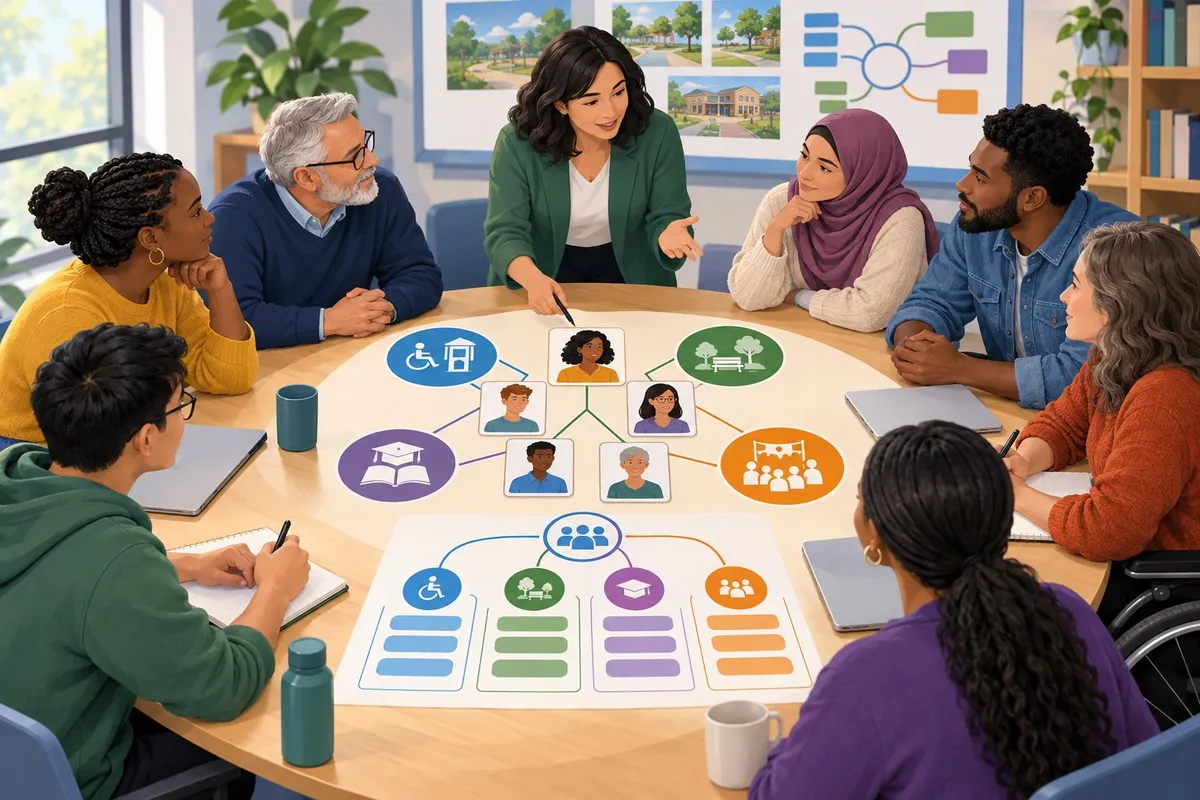
Persona research only matters if it changes what a community does next. The work shows up in four places: the gaps a community chooses to fill, the name and positioning members recognize, the content that starts real discussion, and the programs members start running on their own.
Find Gaps Existing Communities Leave Open Without Treating Reddit as an Ad Channel
Persona data points to unmet needs by showing where current members struggle. Look for questions that get asked again and again with no clear answer, or pinned resources that are out of date.
| Signal | What It Means | What To Do |
|---|---|---|
| Same question repeats monthly | No one has written a clear answer | Create a resource that answers it fully |
| Long threads with no resolution | Current content format doesn't fit the need | Build a dedicated space for that topic |
| New member type keeps appearing | A segment is underserved | Add a persona and tailor content to it |
This is research, not advertising. A community team studies where its audience already struggles before deciding what to build.
Name and Position the Community for the Members It Serves
Persona research should shape how a community describes itself, not just what it builds. A name or tagline that reflects a specific persona's goals helps the right people recognize the community faster.
A weak version says "Join Our Community" with no mention of who it's for. A strong version names the audience directly, such as "A Space for Early-Career Nurses Navigating Their First Year."
Positioning built on persona insight should answer:
- Who is this for, in plain terms
- What problem brings them here
- What they'll find once they join
- How it's different from a general forum or social group
Clear positioning reduces mismatched signups and supports stronger community strategy overall, since content and programming can stay focused on the people the name already attracted.
Use Researched Content to Start Substantive Discussions
Persona research reveals what topics a specific group finds worth discussing, debating, or sharing. That insight should drive community content choices, not just general interest guesses.
Strong discussion starters come from real data: search terms members use, resource downloads, and questions that repeat. Use that data to shape:
- Comparison threads - members weigh options based on real tradeoffs they've faced
- Project or progress updates - members share what they tried and what happened
- Walkthroughs - someone explains how they solved a specific problem step by step
- Discovery posts - a member shares a resource or finding others hadn't seen
Each format works because it matches something the persona research already showed members care about. Content built this way tends to draw replies from people with direct experience, not just quick reactions.
Support Member-Led Programs and Measure What Works
Persona research shows when members are ready to lead, not just participate. Watch for people who answer others consistently, write detailed replies, or ask to help without being asked.
Observation → Decision → Action:
| What's Observed | Decision | Action |
|---|---|---|
| A member answers questions well and often | They may be ready for more responsibility | Invite them into a mentor or advisory role |
| A topic repeats but no formal program exists | A new resource or recurring thread may be needed | Launch a small, member-run series or group |
| Engagement drops despite consistent content | The persona or content needs updating | Return to personalization data and adjust |
This is the shift where staff posting decreases and member-led activity increases, while community management still protects quality and fairness. Track performance against original community goals, not just activity levels, to confirm the shift is working rather than just happening.
Frequently asked questions
What are some examples of different types of community members?
Community members typically fall into a few recognizable groups based on how often and how deeply they participate.
| Member Type | Behavior | Example |
|---|---|---|
| Lurker | Reads posts but rarely comments or posts | A new member who browses a hobby forum for weeks before joining a discussion |
| Occasional poster | Comments sometimes, usually on topics they know well | A customer who replies to a product question once a month |
| Regular contributor | Posts and replies often, builds a visible presence | A member who answers questions in a support community every week |
| Connector | Introduces members to each other, links related discussions | A volunteer who tags relevant members into new threads |
| Leader or expert | Creates original content, mentors others, shapes discussion topics | A longtime member who writes guides and moderates discussion |
Most communities have far more lurkers and occasional posters than leaders. That pattern is normal and does not mean the community is failing.
What are the three main types of personas used in community planning?
Community planning generally relies on three persona types: audience personas, engagement personas, and need-based personas.
- Audience personas describe who the person is, including their role, background, and reason for joining.
- Engagement personas describe how someone participates, such as reading content, replying to others, or creating original posts. Online community personas often group this behavior into three categories: consumers, contributors, and creators.
- Need-based personas describe what the person is trying to get out of the community, such as answers, recognition, or professional connections.
A single member can fit into more than one persona type at the same time. A new customer, for example, might be an audience persona called "first-time user" and an engagement persona called "consumer" during their first few weeks.
What roles do members typically play in a community?
Members usually take on one of three functional roles: consuming information, contributing to discussion, or creating new content.
- Consumers read posts, search for answers, and follow discussions without posting often.
- Contributors ask questions, reply to others, and share their own experience.
- Creators write guides, lead discussions, and produce resources other members rely on.
People move between these roles depending on the topic, their schedule, or how confident they feel. A member might consume content during a busy month and create content once they have more time or expertise to share.
How do you create personas for different community members?
Building a persona starts with a goal, not a guess.
- Pick a goal. Decide if the persona will guide onboarding, event planning, content creation, or retention efforts.
- Gather existing data. Pull information from member profiles, website analytics, and community activity, such as popular discussion topics or frequent search terms.
- Talk to real members. Interview a mix of new members, long-time members, and quiet members, not just the most active ones.
- Ask open-ended questions. Questions like "What brought you here?" and "What makes participation difficult?" reveal useful detail.
- Write a short profile. Summarize the group's goals, challenges, and participation habits in one page.
- Test and revise. Check the persona against real behavior over time and update it as needed.
The reader ends this process with a usable, one-page profile instead of a guess based on assumptions.
What information should a community member persona include?
A useful persona answers a small set of direct questions rather than listing every possible detail about a person.
| Persona Section | What It Covers |
|---|---|
| Identity | Role, background, career stage, or customer type |
| Goals | What the person wants to accomplish by joining |
| Challenges | What makes participation hard or confusing |
| Participation style | How the person engages, such as reading, replying, or posting |
| Content needs | What kind of information or format helps them most |
A member persona worksheet can help teams organize this information consistently across multiple personas. Keeping the format short makes the persona easier for staff to actually use.
How can member personas improve community engagement?
Personas improve engagement by matching content and outreach to what each group actually needs, instead of treating every member the same way.
- Onboarding improves when new member personas show which questions and confusion points come up most often.
- Content planning improves when personas reveal which topics different groups want to see more of.
- Email and outreach improve when messages are written for a specific persona's goals instead of a general audience.
- Retention efforts improve when personas highlight what keeps each group coming back.
- Volunteer and leadership programs improve when personas show which members are ready to take on bigger roles.
Personas lose value if they are never reviewed. Checking them against real activity every few months keeps the profiles accurate as the community changes.